
The rapid expansion of AI data centres across Australia has triggered an urgent conversation regarding infrastructure limits and environmental sustainability. While these facilities form the backbone of the modern digital economy, their operational requirements—specifically water consumption for cooling—are increasingly coming under the microscope.
For Australian businesses, particularly those operating in major hubs like Sydney, this shift presents a complex intersection of technological advancement and resource management. Understanding this balance is essential as we move toward an era of data-centric business operations and infrastructure scaling.
Table of Content
- The Water-Energy Nexus
- Why It Matters for Australia
- Technologies Involved
- Business and SEO Implications
- Future Developments
The Water-Energy Nexus
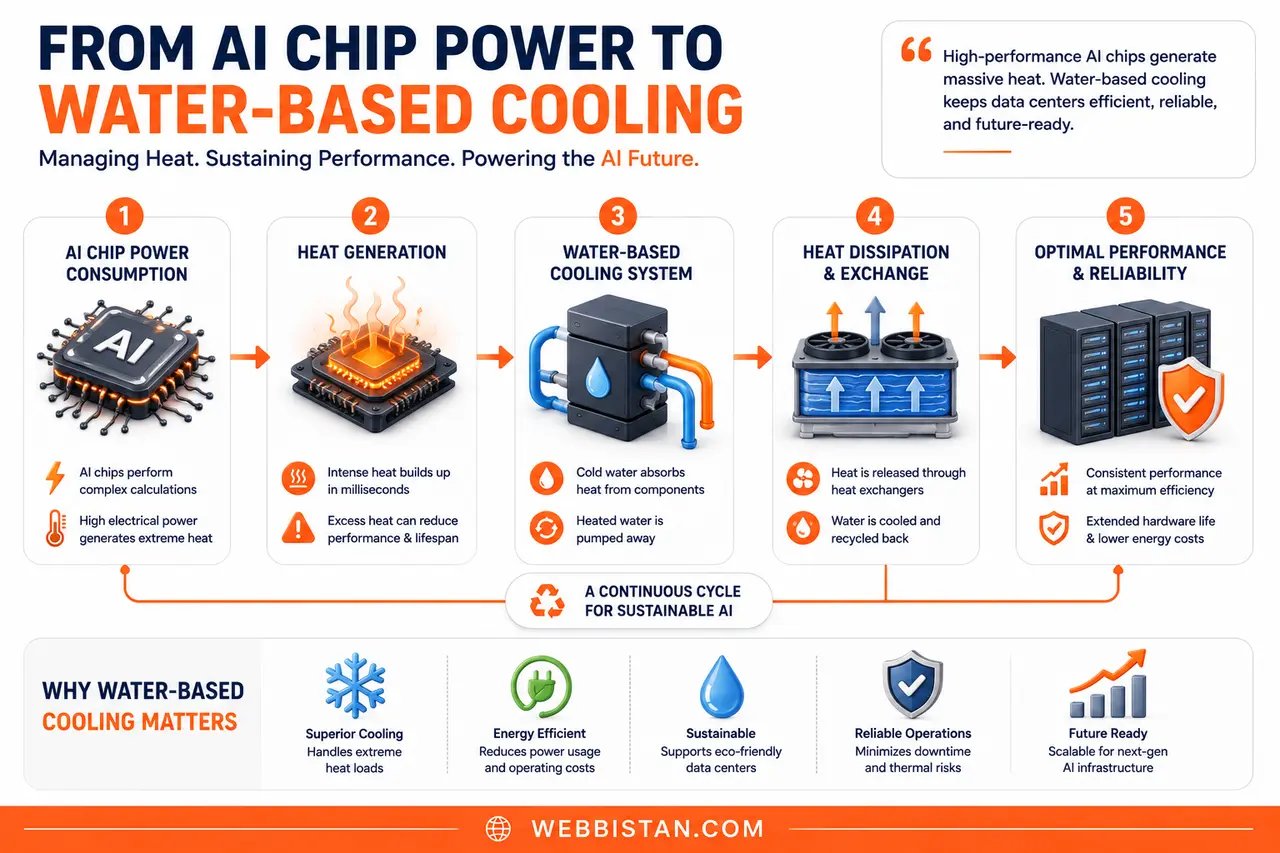
Data centres function as massive computing engines, generating immense heat that must be dissipated to prevent hardware failure. Traditionally, this is managed through air conditioning or direct liquid cooling systems that consume significant volumes of water through evaporation.
As demand for generative AI grows, so too does the intensity of compute required. This creates a direct correlation between the scaling of AI models and the demand for cooling resources in regions where water security is already a sensitive topic.
“The surge in AI compute requirements is not just an energy challenge; it is fundamentally a resource allocation issue. Companies must now account for water intensity in their environmental reporting alongside traditional carbon metrics,” says a leading industry analyst.
Why It Matters for Australia
Australia’s climate presents unique challenges for AI data centres, particularly when balancing energy efficiency with water preservation. In a dry, warming climate, the withdrawal of millions of litres of water for server cooling can place a strain on municipal supplies.
Sydney businesses, in particular, are witnessing a concentration of hyperscale facilities to support local AI adoption. This creates localized pressure on water grids, raising questions about urban planning and long-term sustainability for the tech sector.

Technologies Involved
Engineers are currently testing several closed-loop cooling technologies to mitigate water usage. By recycling water or shifting to air-assisted cooling during cooler months, providers aim to reduce their overall water footprint.
These innovations are critical for organizations looking to scale agentic AI operations without compromising corporate social responsibility goals. The shift toward sustainable design is not just good for the planet; it is a prerequisite for gaining planning approval in a resource-conscious society.
Cooling Solutions
Immersion cooling, where servers are submerged in non-conductive fluid, is gaining traction as a high-efficiency alternative. This method can drastically reduce the reliance on external water cooling systems, offering a more sustainable path forward.
Resource Monitoring
Real-time telemetry and advanced analytics are allowing facility managers to optimize cooling cycles based on current weather conditions. This precise control helps minimize evaporation rates, ensuring that AI infrastructure remains compatible with local water availability.
Business and SEO Implications
The environmental footprint of AI data centres is becoming a factor in how search engines assess the quality and trustworthiness of tech companies. As Generative Engine Optimization (GEO) evolves, information regarding a company’s commitment to sustainable infrastructure may influence their brand authority.
For businesses looking to leverage AI, choosing a cloud provider with a transparent water-efficiency profile is a strategic decision. It mitigates risk and aligns the business with the growing demand for green digital practices.
Key Takeaways
- AI data centres require massive cooling, leading to significant water usage.
- Australia faces unique climate-related challenges in managing these resource demands.
- New cooling technologies like liquid immersion offer a path toward lower water intensity.
- Business leaders must consider sustainability metrics when selecting AI service providers.
- Water management is becoming a critical component of corporate environmental, social, and governance (ESG) reporting.
Future Developments
The industry is moving toward net-water-positive strategies, where providers aim to return more water to the watershed than they consume. This is becoming increasingly important as regulators and environmental organizations scrutinize the impact of rapid data centre growth. For further insights, see the International Energy Agency’s analysis of data centres and energy demand.
At Webbistan, we recognize that staying ahead of these trends is vital for long-term digital growth. Whether you are exploring AI integration or optimizing your digital footprint, our expert team can help you navigate the future of technology responsibly.
Frequently Asked Questions
How much water do AI data centres consume?
Water consumption varies depending on cooling technology, but large AI clusters can consume millions of litres annually through evaporation to maintain optimal server temperatures.
Why is water usage a problem for AI?
High-performance AI chips generate intense heat. Standard cooling methods often rely on water, which can strain local municipal supplies in areas prone to drought.
Are there water-free cooling options?
While true water-free cooling is difficult at scale, techniques like immersion cooling and closed-loop liquid systems significantly reduce consumption by recycling the cooling fluid.
Does data centre water usage affect local business?
Yes, significant water usage by large-scale infrastructure can impact local water prices and availability, making it a critical consideration for urban planning and business sustainability.
How does this impact SEO and visibility?
Search engines and AI models are increasingly prioritizing transparency and sustainability. Brands that operate transparently regarding their environmental impact may build higher trust and authority.