

The landscape of modern music production is shifting beneath our feet, and the latest update to the ARIA Charts AI eligibility criteria confirms that the industry is moving toward a formal, regulated relationship with generative technology. For Australian artists, labels, and digital strategists, these new mandates serve as a critical reminder that while synthetic audio can power innovation, transparency remains the ultimate currency of trust.
As the peak body representing the Australian recording industry, the Australian Recording Industry Association (ARIA) has stepped in to ensure that chart integrity survives the influx of AI-assisted compositions. This decision mirrors a broader global trend where regulatory bodies are scrambling to define the ‘human element’ in creative works, impacting how digital marketing and SEO experts position artists in a crowded, algorithmic ecosystem.
Table of Content
- What Happened: The Key Announcement
- The Regulatory Shift in Music
- Strategic Impact on Australian Businesses
- SEO and Digital Branding Implications
- Conclusion & Strategic Outlook
What Happened: The Key Announcement
The ARIA board has effectively drawn a line in the sand regarding the integration of generative AI within chart-eligible recordings. By formalizing these rules, ARIA is safeguarding the prestige of their charts, ensuring that listeners—and the business stakeholders who track these metrics—understand the provenance of the tracks reaching the top of the Australian rankings.
This move is not an outright ban on innovation. Instead, it is an administrative hurdle designed to force disclosure. Artists utilizing AI tools to generate significant portions of their melodic structure, lyrical content, or vocal performance must now adhere to specific reporting standards. If you are a digital agency managing artist profiles or a label navigating the great AI repricing of music assets, understanding these reporting requirements is now non-negotiable.

The Regulatory Shift in Music
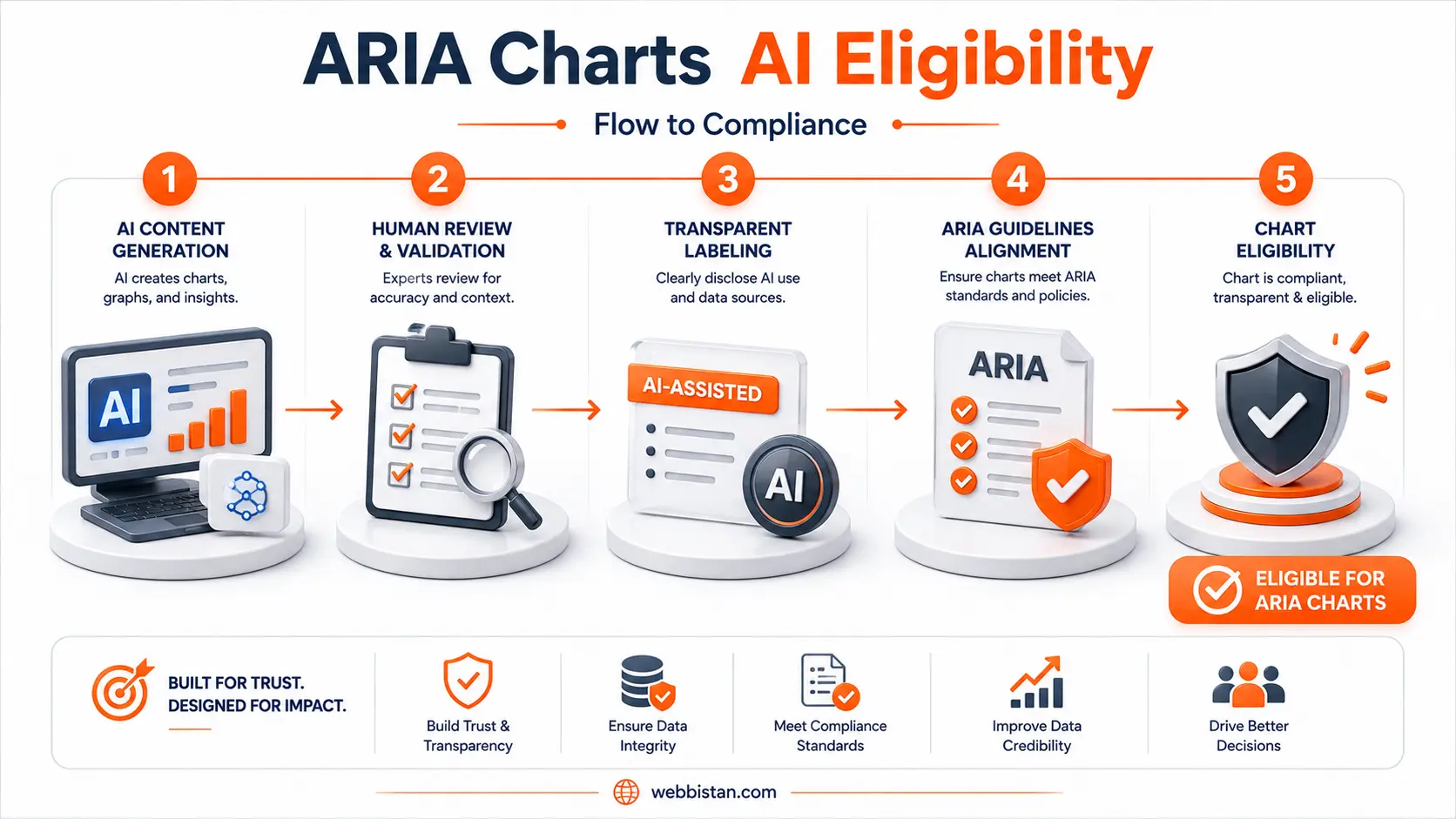
The global music industry has been grappling with synthetic voices—frequently dubbed ‘deepfakes’—for months. Australia’s approach, led by the ARIA directive, highlights a commitment to maintaining a robust AI social license. By mandating transparency, the industry hopes to avoid the legal quagmire seen in international markets regarding copyright and metadata.
For those tracking Australia AI regulation ambition, this is a clear signal of intent. The government and industry bodies are moving toward an interventionist strategy. They want to ensure that human creativity remains the baseline while synthetic tools serve as an extension, rather than a replacement, for artistic expression.
Strategic Impact on Australian Businesses
For enterprise executives and marketing directors in Sydney, these changes have implications beyond the music charts. The demand for clear attribution is a trend moving rapidly across every sector, from AI-powered personalization in marketing to internal workflow automation. Just as ARIA demands transparency for chart placement, search engines and consumers are beginning to demand provenance for all forms of digital content.
Businesses currently leveraging AI for content creation must now consider the risk of platform de-indexing or loss of prestige if they fail to align with transparency standards. Whether you are scaling operations through agentic AI or optimizing your website design in Sydney, the lesson remains the same: authenticity is a competitive advantage.

SEO and Digital Branding Implications
The intersection of Generative Engine Optimization (GEO) and industry-specific regulations is becoming increasingly complex. When search engines like Google and Perplexity ingest data, they are looking for clear indicators of authorship and entity legitimacy. If a music recording is flagged as ‘AI-generated’ due to chart eligibility disclosures, that metadata becomes part of the knowledge graph entry for the artist.
For developers, this reinforces the need for semantic search optimization. You need to ensure that your structured data clearly distinguishes between human-led creative efforts and assisted outputs. We have seen how AI summaries can impact website traffic, and transparent, high-authority content is your primary defense against dilution.
If you are managing an online store or a media property, integrating these visibility measurement tools is essential to keep your brand resilient in the face of shifting algorithmic preferences. Failure to adapt your SEO and website optimization strategy to these new standards could leave your assets vulnerable to the next wave of search engine updates.
- Transparency First: Always disclose AI usage in creative workflows to maintain long-term authority.
- Metadata Accuracy: Ensure your website schema clearly reflects the human-to-AI ratio of your digital assets.
- Strategic Compliance: Monitor ARIA updates as a proxy for broader Australian digital creative regulation.
- SEO Resilience: Shift from keyword-stuffing to high-intent, entity-based content strategies that highlight human expertise.
Conclusion & Strategic Outlook
The introduction of ARIA Charts AI eligibility rules marks the maturity of the digital music era in Australia. By forcing a clear definition of what constitutes a ‘recorded work’ in the age of generative intelligence, ARIA is setting a precedent that other industries will inevitably follow. Businesses that pivot now to prioritize transparent, verifiable, and high-quality human-centric content will be better positioned to dominate the search landscape.
At Webbistan, we recognize that the future of digital presence depends on balancing technological adoption with the core tenets of Google’s helpful content guidelines. For those looking to navigate these waters, we recommend reviewing the latest updates from the OpenAI Newsroom regarding content provenance standards, which align closely with current industry shifts toward verified media.
Whether you need to audit your current digital architecture or refine your content strategy for the age of Gemini and Perplexity, our team is equipped to help. We combine deep technical expertise with the strategic foresight necessary to keep your brand at the forefront of the Australian market.
Does this mean AI music is banned from the charts?
No, AI music is not banned. It simply requires specific disclosure and compliance with ARIA’s new eligibility guidelines to ensure transparent representation.
How does this affect my business SEO?
If your business uses AI for media, you must ensure your structured data accurately reflects content creation methods to avoid potential penalties from search engines as they prioritize human-verified content.
Will other industries follow ARIA’s lead?
Yes, we expect Australian regulatory bodies in finance, education, and legal sectors to implement similar transparency mandates for AI-generated output soon.
How can I make my website more AI-resilient?
Focus on building strong entity authority, utilizing schema markup, and ensuring your content delivers unique value that AI models cannot easily replicate without your direct data.
Where can I get help with SEO compliance?
Webbistan specializes in SEO and website optimization, helping Australian businesses stay compliant and visible in the evolving AI search ecosystem.