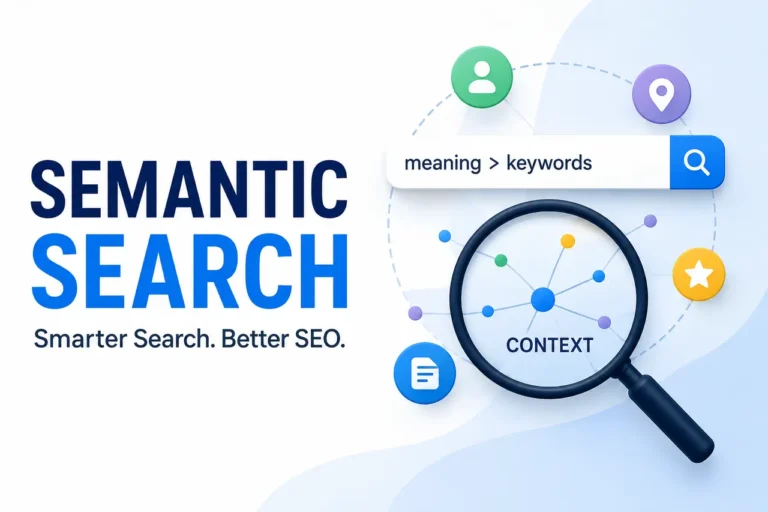
Semantic search: What it is and why it matters for SEO has become the defining conversation for digital marketers and business owners navigating the modern algorithmic landscape. Gone are the days when stuffing keywords into a meta tag would guarantee a top spot on Google. Today, the search giant has shifted toward understanding the ‘intent’ and ‘context’ behind a user’s query rather than just matching individual strings of text. This evolution represents a fundamental change in how information is indexed, retrieved, and delivered to users across the globe.
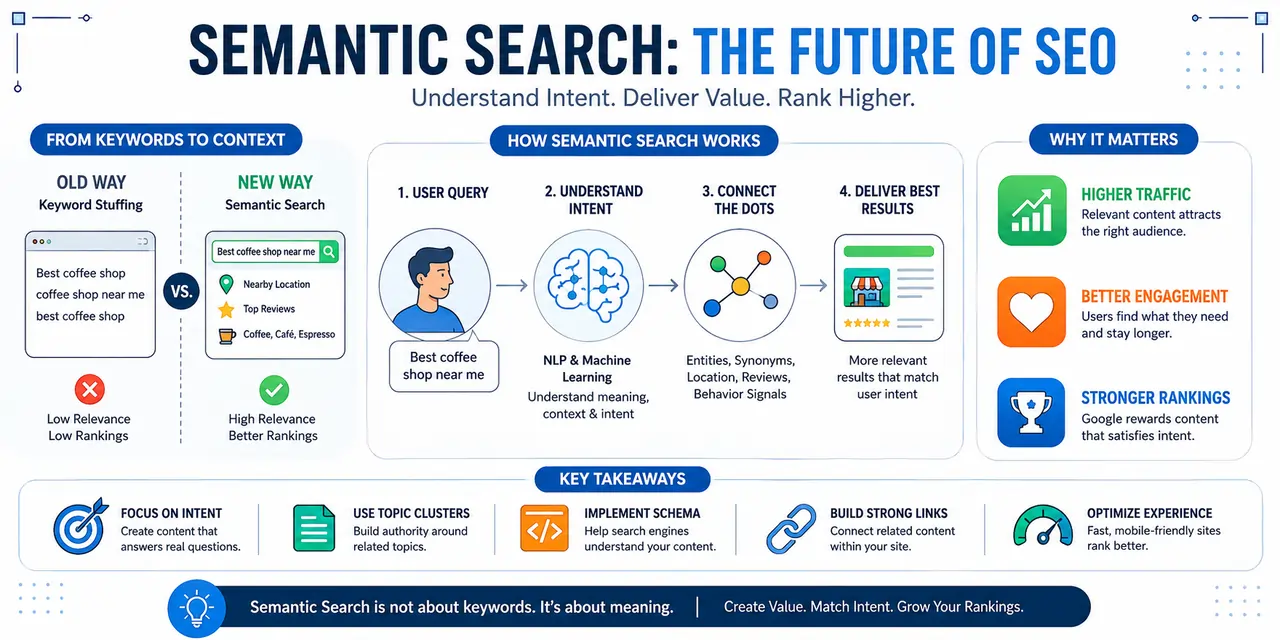
As search engines get smarter, they function more like human librarians who understand the relationship between concepts. For instance, when a user searches for ‘best coffee spot,’ Google now correlates that search with location data, reviews, and synonyms for ‘café’ or ‘espresso bar.’ If your business website is not optimized for these contextual signals, you risk falling into digital obscurity.
Understanding the Evolution of Semantic Search: What It Is and Why It Matters for SEO
The shift toward semantic search involves advanced technologies like Natural Language Processing (NLP) and machine learning. These tools allow algorithms to decipher the ‘entity’—the actual object, place, or concept—behind the words. For a business, this means the content strategy must pivot from thin, keyword-heavy pages toward comprehensive, high-value resources that answer questions thoroughly.
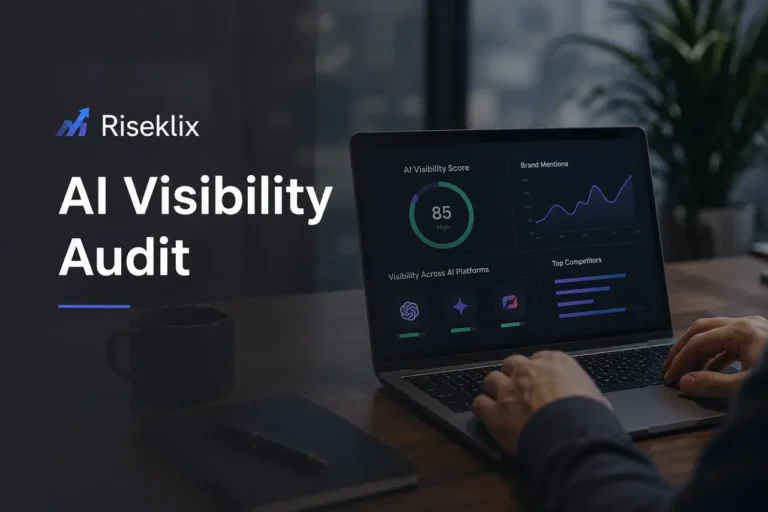
If you are looking to audit your own site’s performance in this new era, utilizing professional tools for SEO and website optimization is no longer optional. The way we structure data, implement schema markup, and build our internal site architecture now directly influences how AI-driven engines perceive our authority.
The Direct Business Impact: From Global Giants to Local Sydney SMEs
The impact of this shift is felt everywhere, from Silicon Valley to local enterprises in Australia. When businesses adapt to semantic nuances, they see better engagement rates because they are actually providing solutions. For Sydney-based companies, this is critical; local SEO is now heavily influenced by semantic understanding, where location-based queries are paired with intent-driven content. If you want to see how your business stacks up, consider exploring Google AI to boost business growth in Sydney.
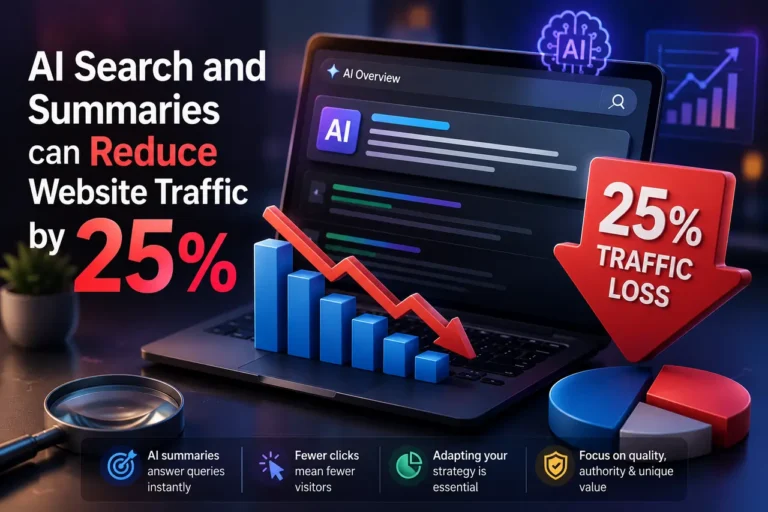
Companies that neglect this shift often find their traffic stagnant. The transformation is market-wide: those who provide clear, structured information dominate the Featured Snippets, while others struggle for visibility. For those ready to upgrade their digital presence, you might consider professional Fiverr WordPress Services to ensure your backend structure supports modern indexing.

AI, Automation, and the Future of Search
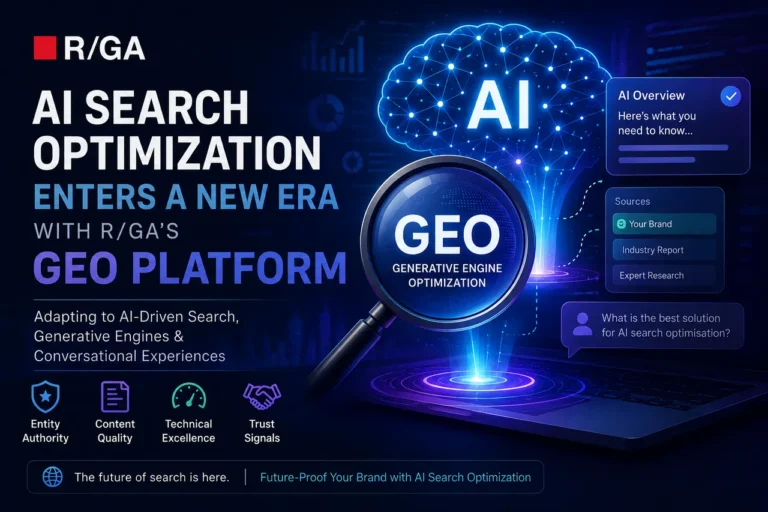
Artificial intelligence acts as the engine driving the semantic revolution. Generative AI is changing the way users interact with the internet, moving from lists of links to conversational, direct answers. This transition is why Generative Engine Optimization (GEO) is becoming just as vital as traditional SEO. As automation becomes integrated into daily business operations, tracking performance becomes easier with an AI-powered marketing ROI calculator.
Semantic search isn’t just about keywords anymore; it’s about building a digital ecosystem where your expertise, authority, and trustworthiness are clear to both users and the machines that index them. When you align your content with user intent, you stop chasing algorithm updates and start leading the conversation in your niche.
Key Insights for Modern SEO Success
- Context is King: Focus on topic clusters rather than single keywords to establish topical authority.
- Schema Markup Matters: Use structured data to help search engines explicitly understand your content types.
- User Intent Analysis: Always ask whether you are providing a direct answer or merely filler text.
- Speed and Experience: A site that is fast and accessible is easier to crawl and interpret. Use unlimited page speed tools to monitor your metrics.
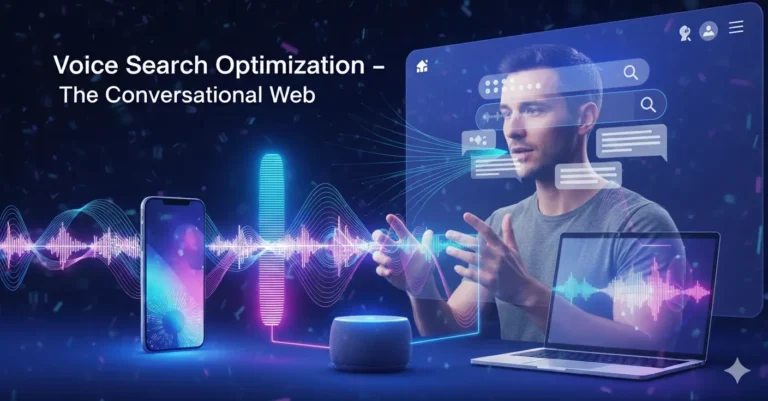
- Voice Search Readiness: Since voice queries are conversational, your content should reflect natural human speech.
- Internal Linking: Strengthen your site structure by connecting related topics, helping crawlers understand your site’s hierarchy.
- AI Integration: Leverage AI integration and CRM solutions to personalize the customer journey based on search behavior.
As we move forward, the divide between websites that adapt to semantic signals and those that do not will only grow wider. Future-proofing your site requires a blend of high-quality content, technical precision, and a willingness to embrace new technologies like voice search optimization. Whether you are building custom WordPress websites or focusing on landing pages and sales funnels, the semantic approach must be at the core of your digital identity. By consistently refining your approach to align with how people—and bots—actually find information, you position your brand for sustainable, long-term growth.
We are here to help you navigate these complex digital changes. If you are ready to take your SEO strategy to the next level, feel free to contact us for a consultation or browse our full range of services. Check out our blog for more insights into the future of the digital economy.