
A recent high-stakes tribunal decision has sent shockwaves through the Australian professional landscape, marking a pivotal moment where AI in changing job market dynamics moved from theoretical discussion to legal reality. With a $950,000 payout awarded, the case underscores how industrial relations bodies are beginning to weigh the impact of automated systems and generative tools against traditional employment protections. For Sydney-based business leaders and national enterprise executives, this ruling serves as a stark reminder that the digital transformation of the workforce must be managed with both technological foresight and legal diligence.
As Australia grapples with the integration of interventionist AI strategies, the implications for human-centric workflows are becoming increasingly complex. This article breaks down the legal precedent, the shift in labor expectations, and what this means for your AI adoption for businesses moving forward.
Table of Content
- What Happened: The Key Tribunal Ruling
- The Legal Precedent and AI Integration
- Impact on Sydney & Australian Businesses
- The Intersection of GEO and Labor Stability
- Strategic Recommendations for Leaders
What Happened: The Key Tribunal Ruling
The tribunal’s decision highlights a growing tension between operational efficiency and the erosion of job security due to algorithmic displacement. While specific proprietary details remain nuanced, the core of the dispute centered on how the employer utilized emerging technologies to restructure roles, effectively automating tasks previously managed by human intervention. The ruling suggests that tribunals are increasingly willing to factor in the systemic impact of AI, moving beyond simple redundancy arguments to look at the ‘duty of care’ regarding technology-induced displacement.
This case is not an outlier; it reflects a broader trend of why AI and robotics are taking over real-world jobs. By awarding such a significant sum, the tribunal has essentially signaled to corporations that they cannot simply ‘set and forget’ when implementing automated systems. The burden of proof for fair transition processes, reskilling, and consultation has shifted, forcing firms to re-examine their artificial intelligence and data privacy frameworks.
The Legal Precedent and AI Integration
Legal experts observe that this decision validates the concerns surrounding how AI is making workplaces dumber by stripping away cognitive complexity without proper human oversight. Historically, tribunals focused on contractual breaches or unfair dismissal processes. Today, the scope of inquiry has expanded to include the ‘utility’ of AI—evaluating whether the technology was a genuine business requirement or a tool used to bypass standard labor regulations.
Understanding this legal shift is critical for any agency or enterprise relying on AI-powered personalization or automated content workflows. Organizations must now document the intent behind automation initiatives. If your firm is scaling, the agentic AI approach to business operations must include a clear audit trail that prioritizes ethical labor practices alongside efficiency gains.
When we look at the structural impact, we see a clear divide between businesses that leverage AI to empower employees and those that use it to simply replace them. As human-AI teaming becomes the gold standard, the legal environment will continue to refine its approach to how these teams are managed, compensated, and transitioned.

Impact on Sydney & Australian Businesses
For Sydney-based firms, this ruling creates a ripple effect throughout the digital services sector. Many local agencies have been aggressively implementing automated stacks to manage AI search versus traditional search visibility. However, the tribunal’s focus on the ‘human cost’ of this shift means that agency heads must ensure that staff training and role evolution are at the core of their AI visibility measurement strategies.
We have seen a rise in AI-boosted lead generation, which can often lead to a reduction in sales-development headcount. While this drives short-term ROAS, it introduces long-term legal risk if not managed correctly. Businesses need to ensure they have a robust AI social license to operate, ensuring employees are not just treated as ‘legacy data’ but as integral components of a hybrid workforce.
The Intersection of GEO and Labor Stability
The rise of Generative Engine Optimization (GEO) is not just about rankings; it is about how information is processed and how work is distributed. When a search engine provides a perfect answer, the work that would have been done by an entry-level researcher is essentially captured by a model. This is where the intersection of SEO strategy and labor law becomes critical.
For those managing Google Business Profile optimization in Sydney, the shift means shifting focus from ‘volume’ to ‘value’. If your business uses AI to replace human labor, you must be prepared to defend the strategy against growing scrutiny. Transparency in how your AI models interact with your semantic search strategy is not just an SEO best practice anymore; it is a defensive business requirement.
Strategic Recommendations for Leaders
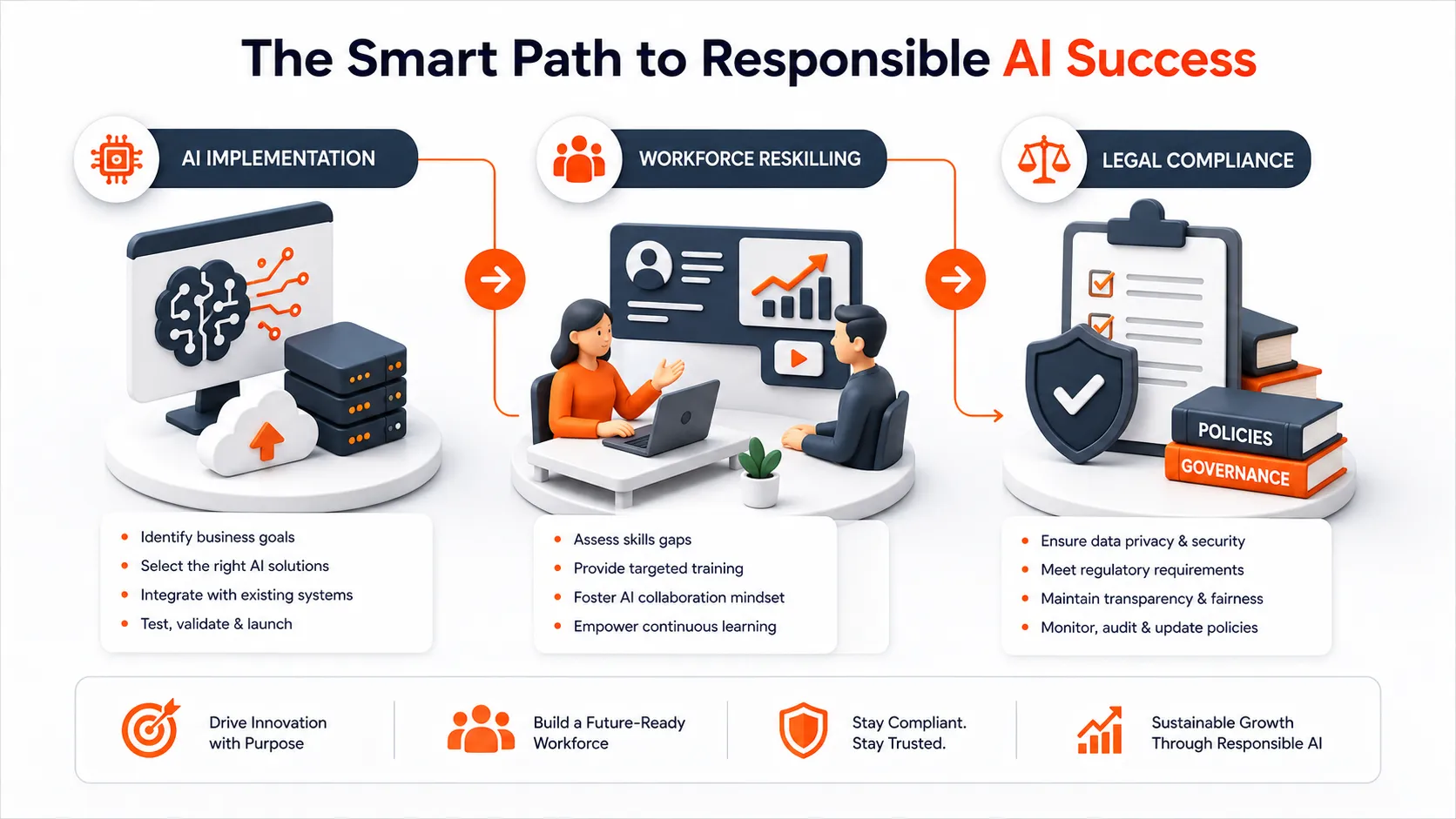
The path forward requires a balanced approach. Technology must not be viewed as a silver bullet that replaces the necessity for human expertise. Instead, companies should focus on AI integration and CRM solutions that enhance productivity while providing clear growth pathways for existing staff. Do not wait for a tribunal to tell you that your digital transformation strategy is unbalanced.
- Consultation: Always involve staff in the transition to AI-assisted workflows to minimize legal exposure.
- Reskilling: Invest in training programs to ensure employees can manage, rather than just be managed by, AI.
- Audit: Regularly review how your SEO and website optimization efforts interact with your internal labor needs.
- Transparency: Document all AI-driven business changes clearly to maintain an ethical and legal defensible stance.
Conclusion & Strategic Outlook
The $950,000 tribunal payout marks a pivotal shift in how the AI in changing job market landscape is policed. Businesses must stop viewing AI as a replacement strategy and start viewing it as a catalyst for professional evolution. As the regulatory framework in Australia matures, proactive firms will prioritize transparency, worker reskilling, and ethical deployment of automated agents. To stay ahead of these shifts, explore our insights on AI adoption for businesses and consider how our tailored solutions can ensure your enterprise remains both competitive and compliant. For deep dives into global standards, refer to Google Search Central policies on automated content, and review the OECD AI principles for global best practices in corporate digital governance.
Is the use of AI in the workplace illegal in Australia?
No, the use of AI is not illegal. However, its use must comply with the Fair Work Act, and tribunals may intervene if the introduction of AI constitutes unfair dismissal or fails to meet consultation requirements.
How can businesses protect themselves from AI-related litigation?
Businesses should maintain clear documentation of their technology adoption process, provide adequate reskilling opportunities, and maintain transparent communication with staff regarding job role changes.
What does the $950,000 ruling mean for small businesses?
While this case involves a large payout, it sets a legal precedent that applies to all employers. Smaller businesses should ensure they have explicit policies regarding the use of AI and automated systems to avoid similar claims.
How is GEO impacting the Australian job market?
Generative Engine Optimization is shifting how companies capture market share, often reducing the need for traditional research roles. This necessitates a strategic pivot toward higher-level editorial and strategic human oversight.
Where can I get help with AI integration for my business?
Webbistan provides specialized AI integration and CRM solutions designed to help Australian businesses adopt technology ethically and efficiently.