
When an automated decision on home support dictates the quality of life for our most vulnerable citizens, the margin for error must be razor-thin. Recent data revealing that one-fifth of older Australians successfully contested these digital assessments highlights a growing friction point between algorithmic efficiency and human-centered social services. As Australian enterprise executives and technology leaders watch the government’s digital transformation roadmap, this case serves as a critical study in the risks of over-relying on black-box systems for high-stakes human outcomes.
For technology professionals in Sydney and across the country, this development underscores the vital need for human oversight in any automated digital strategy. While AI promise-makers tout speed and cost-reduction, the real-world consequence of a flawed heuristic—especially when it dictates funding for elderly care—is a erosion of public trust and significant operational overhead through appeals and manual intervention.
Table of Content
- The Reality of Automation in Social Services
- Why It Matters for Australian Market
- Algorithmic Bias and Systemic Transparency
- GEO and the Future of Automated Decision Making
- Strategic Takeaways for Digital Leaders
The Reality of Automation in Social Services
The core of this issue lies in the reliance on structured data inputs to quantify complex human needs. When systems are designed to parse thousands of applications, they often prioritize rigid metrics over the qualitative nuance of an individual’s specific health environment. The fact that a full 20% of applicants who challenged the initial output received an upward revision suggests that the baseline logic—the algorithm itself—is either under-calibrated or fundamentally misaligned with policy goals.
This is a classic failure mode for data-heavy automation. In a professional setting, this mirrors the challenges seen in modern workplace automation, where tools intended to streamline processes instead create bottlenecks that require human subject matter experts to manually override the system. Without robust data privacy and ethical safeguards, these systems risk perpetuating historical biases at scale.
Why It Matters for Australian Market
For businesses in Sydney and the broader Australian market, this is a cautionary tale regarding the national push toward AI integration. Many local firms are rushing to adopt agentic workflows to reduce operational costs, yet few have established the “human-in-the-loop” protocols necessary to mitigate these exact kinds of errors. If an algorithm can miscalculate home support funding, imagine the impact of an unmonitored AI lead-scoring model or an automated customer service chatbot handling high-value contract disputes.
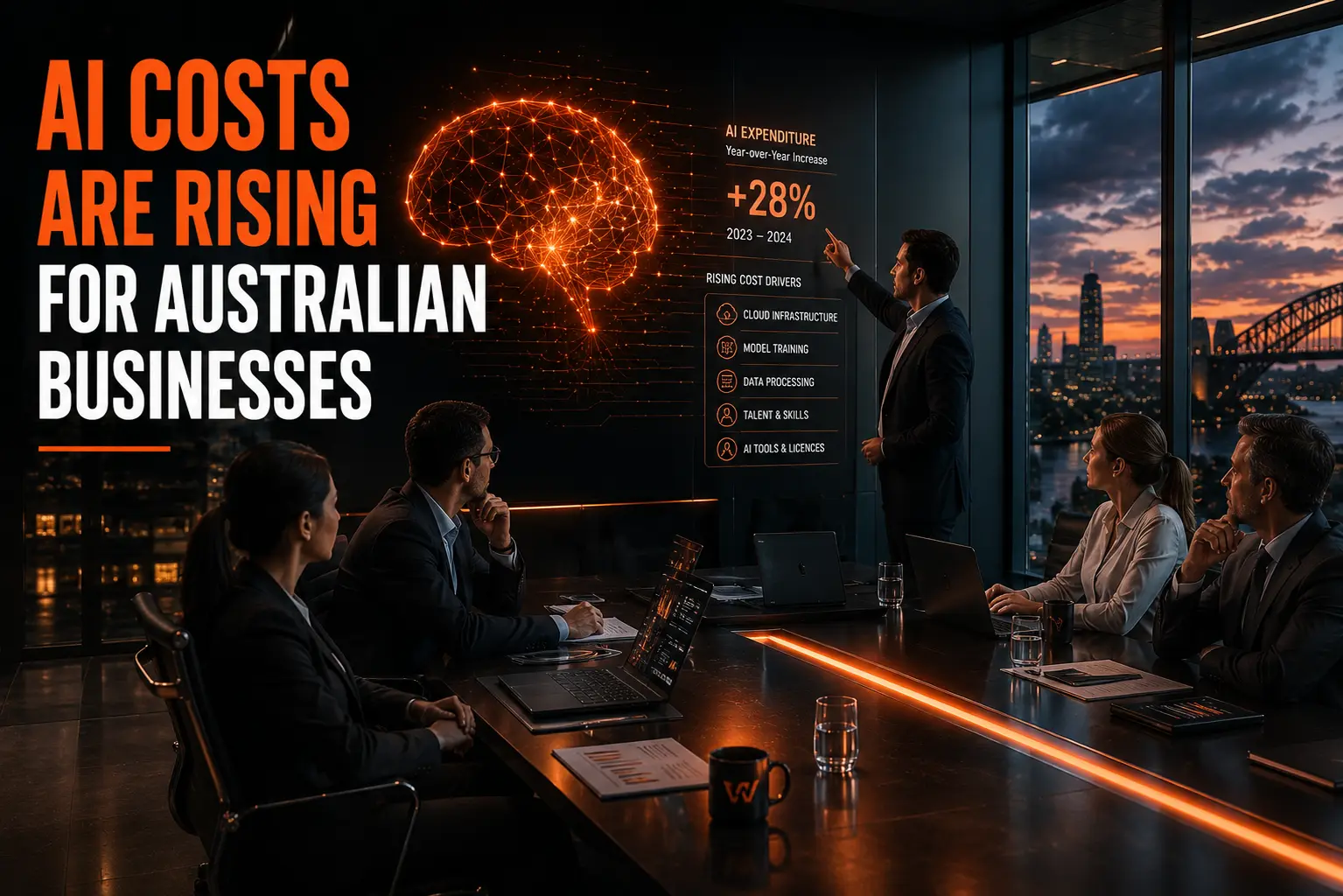
Companies focusing on enterprise-level AI adoption must look beyond the initial ROI and account for the cost of “re-work.” When a system fails, the cost of human remediation often exceeds the savings generated by the initial automation. We are seeing a shift where social license is becoming a hard metric; if your customers or citizens feel ignored by a machine, they will seek a human, and they will likely be louder and more critical in their feedback.
Algorithmic Bias and Systemic Transparency
Transparency is the antidote to the fear surrounding AI-driven decision-making. In the context of government services, the “explainability” of an algorithm is paramount. If a senior citizen is denied funding, they deserve to know exactly why, in plain language. Similarly, for Australian businesses using AI for marketing or sales, personalized customer journeys must remain transparent to avoid regulatory scrutiny from bodies like the ACCC.
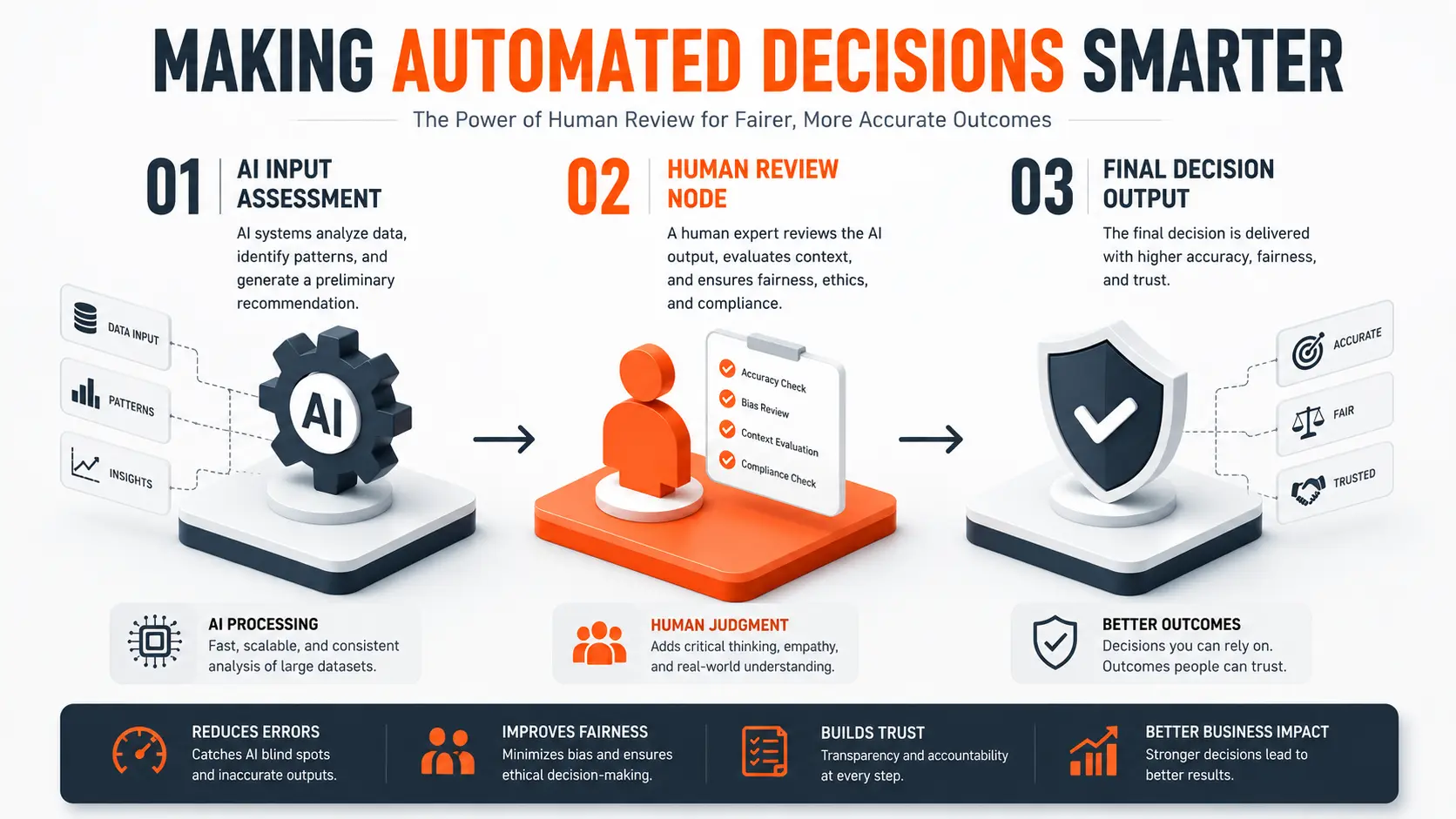
When these systems operate as black boxes, trust evaporates. We advocate for a move toward semantic-driven architectures that prioritize context and meaning rather than simple, binary data matching. The goal shouldn’t be to remove humans from the loop entirely, but to empower humans to make faster, better decisions by providing them with intelligent, auditable data summaries.

GEO and the Future of Automated Decision Making
In the evolving landscape of Generative Engine Optimization (GEO), the way machines perceive and rank content is becoming increasingly “judgment-based.” If a search engine is trained to prioritize certain types of content as the “truth,” it is essentially making an automated decision about the value of your brand. Business leaders must recognize that the same issues seen in government support systems are mirrored in how their businesses appear in AI-generated search summaries.
Publishers who ignore the shift from traditional SEO to AI-driven search results are at risk of being sidelined by automated summaries that lack the nuance of human editorial expertise. By optimizing for authority and trust—core pillars of EEAT content writing—you ensure your brand remains relevant even when the “algorithm” is the one making the call on whether your content serves the user’s intent.
Strategic Takeaways for Digital Leaders
- Human-in-the-Loop Architecture: Never deploy high-stakes AI without an accessible human escalation path.
- Auditability as a Feature: Ensure that all automated decisions can be traced, explained, and overturned if necessary.
- Monitor the Feedback Loop: Treat high bounce rates or customer complaints as potential evidence of a failed algorithmic assumption.
- Prioritize Context over Speed: In complex sectors like healthcare or legal services, accuracy and empathy must override raw processing speed.
As the digital ecosystem in Australia matures, the companies that succeed will be those that balance technological innovation with a commitment to human-centric design. We must learn from the inefficiencies of current public service systems to build better, more resilient private enterprise models. Whether you are scaling an e-commerce platform or deploying enterprise-grade CRM solutions, the priority remains the same: technology should serve the human, not the other way around.
Conclusion & Strategic Outlook
The revelation that one-fifth of older Australians secured better support following human review of their automated decision on home support is a stark reminder that efficiency should never come at the expense of equity. For Australian business leaders, the takeaway is clear: the future belongs to organizations that integrate AI as an augmentative force rather than a replacement for human judgment. As we continue to navigate the complexities of digital transformation, Webbistan remains committed to helping brands build systems that are as ethical as they are performant. We encourage leaders to review the latest guidelines from Google Search Central regarding quality and automated content, alongside the NIST AI Risk Management Framework to ensure their digital infrastructure meets the highest standards of reliability.
Frequently Asked Questions
Why is human oversight critical in automated decisions?
Human oversight is essential because AI models often lack the ability to understand nuanced, qualitative context. Without a human to review anomalies, automated systems risk replicating errors at scale, which can lead to significant social or financial harm.
How does this impact Australian digital regulations?
The current climate suggests a shift toward tighter regulation of automated systems, particularly in government and public services. Businesses should anticipate stricter requirements for transparency and the ability to explain algorithmic outcomes.
What is the cost of re-work in automated systems?
The cost of re-work includes not only the labor required for manual reviews but also the long-term impact on brand reputation and public trust. If a customer or citizen feels cheated by an AI decision, the cost of regaining that trust far exceeds the initial implementation savings.
How can businesses improve their AI-driven decision-making?
Focus on implementing “human-in-the-loop” workflows, maintaining auditable logs of all AI-driven decisions, and ensuring that your data sets are representative and free from systemic bias.
What is the role of GEO in this context?
Generative Engine Optimization (GEO) focuses on ensuring that AI models accurately interpret and present your content. By focusing on EEAT (Experience, Expertise, Authoritativeness, and Trustworthiness), businesses can ensure they remain visible even as search becomes more automated.