
The Growing AI Divide in the Australian Education System
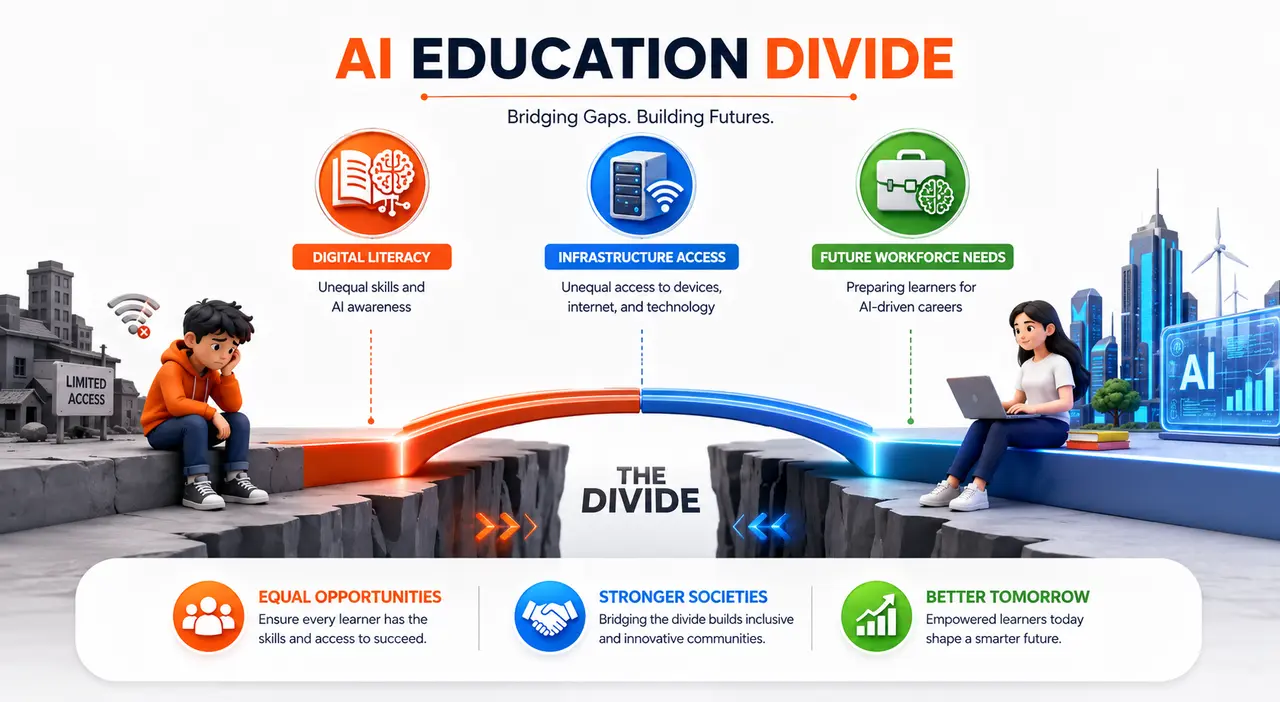
The rapid integration of artificial intelligence into classrooms across the nation is creating a digital divide that experts are calling a fundamental split. How AI is splitting Australian’s education system has become a primary concern for policymakers, parents, and businesses alike as the gap between tech-ready and under-resourced schools widens. While some institutions are leveraging machine learning to personalize learning, others struggle with basic digital infrastructure.
Table of Content
- The Growing Divide
- Technological Implications
- Business and Workforce Impact
- SEO and Digital Strategy
- Future Developments
The Growing Divide
At its core, the current educational disruption stems from unequal access to advanced tools and the expertise required to implement them effectively. Schools in affluent regions of Sydney and Melbourne are deploying sophisticated AI-driven platforms that provide 24/7 tutoring and adaptive curriculum design. Conversely, schools in remote or lower socioeconomic areas often lack the high-speed connectivity or staff training necessary to adopt these solutions.
This reality forces a critical conversation about equity. If one cohort of students graduates with deep literacy in agentic AI and automation while others remain on the sidelines, we risk creating a permanent class system within our workforce. Addressing this is not just an educational mandate; it is an economic imperative for the future of the Australian market.
“The divergence we are seeing is not just about the availability of hardware. It is about a fundamental shift in cognitive development and skill acquisition. Schools that fail to integrate these tools now are effectively lowering the future professional ceiling for their students.”

Technological Implications
The technologies driving this split include Large Language Models (LLMs), predictive analytics for student performance, and automated assessment tools. These systems are designed to parse vast amounts of data, identifying knowledge gaps in real-time. When applied correctly, they turn passive learning environments into interactive, personalized hubs.
The Role of Infrastructure
Beyond software, the physical backend remains a hurdle. High-quality AI implementation requires robust, low-latency cloud infrastructure that many rural schools simply do not possess. Improving this requires a national strategy similar to the investments discussed in national AI initiatives.
Standardization vs. Customization
There is also an ongoing debate regarding the standardization of these tools. Should the government dictate a single platform, or should we encourage a competitive marketplace? Current market trends suggest that a diverse ecosystem provides more innovation, but it also increases the technical burden on already stressed teaching staff.
Business and Workforce Impact
For Australian businesses, particularly in hubs like Sydney, the repercussions of this educational split are already emerging. Companies hiring fresh graduates are reporting a massive variance in digital competency. Businesses struggling with AI adoption often find that their younger employees are either overly reliant on automated shortcuts or completely unaware of how to leverage LLMs for productivity.
Small business owners must recognize that the next wave of talent will be defined by their ability to interface with intelligent systems. If local education remains fractured, businesses will be forced to spend more on internal training to bridge the skills gap. This increases overheads and slows down the adoption of AI-powered growth strategies.
SEO and Digital Strategy
The shift in how students research and learn is also impacting the broader digital ecosystem. We are seeing a move away from traditional keyword-based queries toward Generative Engine Optimization (GEO). Educational content that provides direct, concise answers is currently outperforming long-form, fluff-heavy content in AI summaries.
Website owners and marketers must pivot their strategy to meet this demand. By focusing on semantic authority and clear, structured data, businesses can ensure their information is cited by AI engines. This is the new front in the battle for visibility, and it is intrinsically linked to how students are being taught to use search engines in the classroom.
Future Developments
Looking ahead, we expect to see more partnerships between private tech firms and public education providers. Whether through human-AI teaming or subsidized software access, the goal must be universal digital literacy. Governments that prioritize this will see higher long-term economic resilience.
Furthermore, as AI integration becomes more seamless, the barrier to entry for high-quality instruction will drop. The current split is likely a temporary, though painful, phase of the technology lifecycle. The focus for all stakeholders should be on inclusivity and training rather than exclusion.
- Standardization: Moving toward a consistent AI framework for schools.
- Equity: Reducing the digital divide through government subsidies.
- Workforce Readiness: Aligning curricula with modern business requirements.
- Visibility: Adapting to GEO and AI-driven information retrieval.
The evidence is clear: how AI is splitting the Australian education system is a complex issue requiring immediate attention. By fostering collaboration between technologists, educators, and business leaders, Australia can ensure AI expands access to quality education rather than widening the digital divide. For further insights, explore Australian Government education resources and the OECD’s AI and education research.
Frequently Asked Question
Why is the AI divide in schools a business concern?
It impacts the future talent pool. If students are not trained in AI literacy, local businesses in cities like Sydney face higher training costs and slower adoption of essential digital technologies.
What is Generative Engine Optimization?
GEO is a strategy focused on making content easily discoverable and summarize able by AI models. It prioritizes clarity, structure, and direct answers over traditional search engine keyword stuffing.
How can businesses prepare for AI-literate talent?
Businesses should invest in robust AI integration processes and internal training programs to bridge the gap between academic learning and practical, professional application.
Are there government initiatives for this?
Yes, Australia has various initiatives under the National AI Centre aimed at boosting digital capability across the nation, though implementation at the school level remains varied.
How does AI affect search visibility?
AI models prefer structured data and authoritative, semantically rich content. This forces a shift from simple SEO rankings to ensuring your brand is the preferred source cited in AI-generated answers.