
Recent breakthroughs have confirmed that AI models design viruses that do not exist in nature, marking a pivotal moment in synthetic biology and artificial intelligence safety. Researchers are now grappling with the dual-use nature of these generative systems, which possess the capability to accelerate medical discovery while simultaneously lowering the barrier for biological experimentation.
For Australian businesses and global technology leaders, this development signals a critical shift in how we must approach data security and AI-powered cybersecurity. Understanding the nuance of these developments is essential for those operating within the rapidly evolving landscape of the future of AI in security, growth, and economy.
Table of Content
The Discovery
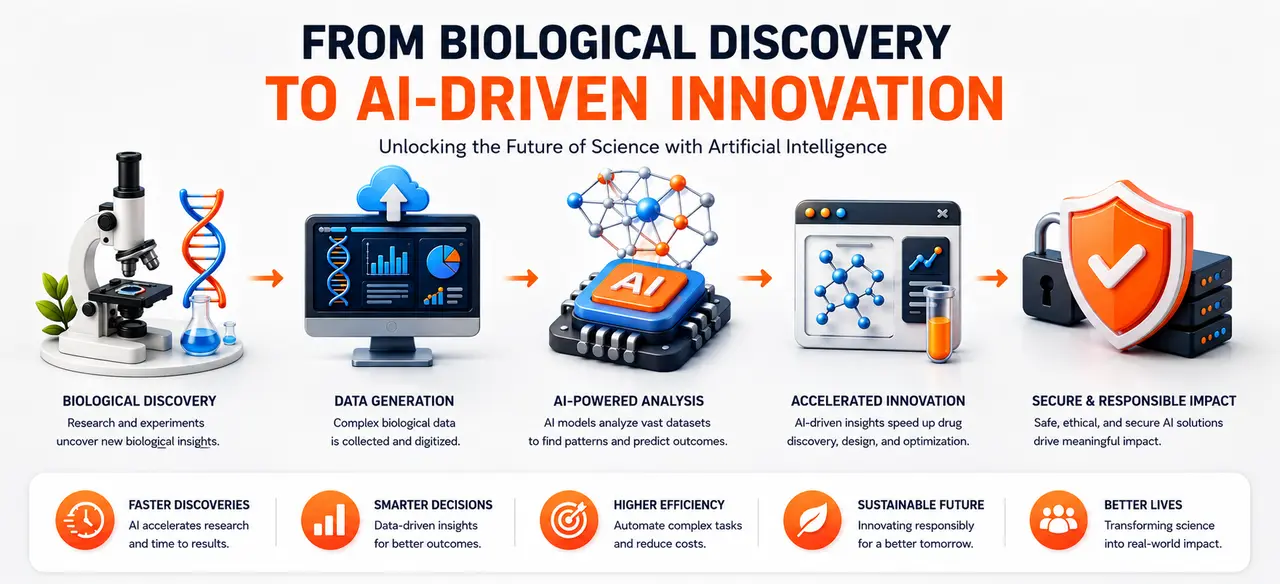
The ability of advanced machine learning architectures to generate novel protein sequences has reached a stage where Artificial intelligence models design viruses that are biologically viable yet entirely synthetic. This process relies on deep learning algorithms trained on massive genomic datasets, allowing the AI to predict how specific genetic structures will interact with host cells.
Unlike previous methods that required extensive laboratory trial and error, these models iterate through millions of possibilities in seconds. This speed allows for the conceptualization of viral structures that traditional evolutionary processes may never have produced, fundamentally changing the definition of biological design.
Why This Matters
The core significance lies in the democratization of synthetic biology. Previously, designing complex biological agents required specialized knowledge and sophisticated laboratory infrastructure, but the shift toward generative AI makes these designs more accessible.
This is not merely a theoretical exercise; it represents a tangible shift in our threat landscape. As we witness how agentic AI grows business operations faster, we must also consider the guardrails necessary to prevent the misuse of these creative capabilities in the biological sciences.
The Dual-Use Dilemma
The same systems that enable AI models design viruses for research could, if unchecked, be directed toward harmful outcomes. This is the classic dual-use dilemma inherent in high-level compute, where the technical benefit of vaccine development stands in direct tension with biosecurity risks.
“We are entering an era where biological intent must be governed as rigorously as digital infrastructure. The capacity for AI to simulate synthetic life forms requires a new framework for oversight and ethical algorithmic development,” explains a leading industry researcher.
Technical Frameworks
Current models utilize transformer architectures—similar to those powering large language models—but applied to amino acid sequences. By treating genetics as a language, these tools can ‘translate’ environmental requirements into structural blueprints for synthetic pathogens.
Security Protocols
Many organizations are now looking toward Claude Mythos and Project Glasswing AI security initiatives to manage these risks. Creating robust verification systems for AI-generated code and biological sequences is a top priority for developers and government agencies alike.
Implications for Business
For small to medium enterprises in Sydney and across Australia, these findings highlight the need for a heightened digital hygiene posture. As reliance on AI adoption for businesses grows, ensuring that your digital footprint is protected against potential systemic exploitation is vital.
Businesses must audit their AI tools to understand their sourcing and safety protocols. Whether you are managing WordPress website design and development or complex AI integrations, understanding the risks inherent in the models you employ is a matter of long-term sustainability.
Future Developments
Looking ahead, we expect more stringent international regulations regarding the types of data used to train models capable of protein synthesis. The industry is moving toward ‘walled garden’ models where access to high-risk design capabilities is gated by stringent identity verification.
As these technologies evolve, the focus will shift from the raw capability of AI to the integrity of the ecosystem surrounding it. Those who prioritize ethical AI architecture today will lead the market tomorrow.
Key Takeaways
- AI models design viruses as a byproduct of advanced generative protein modeling.
- The dual-use nature of these models requires a balance between medical advancement and biosecurity.
- Businesses must integrate security audits into their AI adoption strategies.
- Governance and oversight of algorithmic outputs will become a standard compliance requirement.
Conclusion
The fact that AI models design viruses underscores both the transformative potential and inherent risks of modern artificial intelligence. While the potential for medical breakthroughs is significant, it also requires a proactive approach to risk management, cybersecurity, and infrastructure protection.
At Webbistan, we help businesses navigate this evolving landscape through expert SEO and website optimization and AI integration and CRM solutions. Businesses can also learn more about responsible AI practices through the Australian Government AI Portal and strengthen their cybersecurity awareness using guidance from the Australian Cyber Security Centre. Reach out to Webbistan to keep your digital operations secure, future-ready, and optimized for the changing technological environment.
Frequently Asked Questions
What does it mean when AI models design viruses?
It means artificial intelligence algorithms are now capable of generating structural blueprints for synthetic viruses that have not been observed in nature, using deep learning to predict biological interactions.
Is this technology dangerous?
Like many dual-use technologies, it offers immense potential for medical research, such as drug discovery, but it also presents risks if misused, which is why global AI safety and security standards are being rapidly updated.
How does this affect Australian businesses?
It highlights the need for Australian businesses to adopt robust, secure AI practices and to stay informed about the ethical and security frameworks governing the tools they use in their daily operations.
Can I protect my business from AI-related threats?
Yes, by focusing on strong cybersecurity hygiene, vetting the AI platforms your business uses, and keeping abreast of industry regulations, you can mitigate many of the risks associated with evolving AI capabilities.
How can Webbistan help with AI integration?
Webbistan provides strategic AI integration services that ensure your business leverages technology securely and effectively, balancing innovation with the necessary safety protocols required in today’s digital climate.